
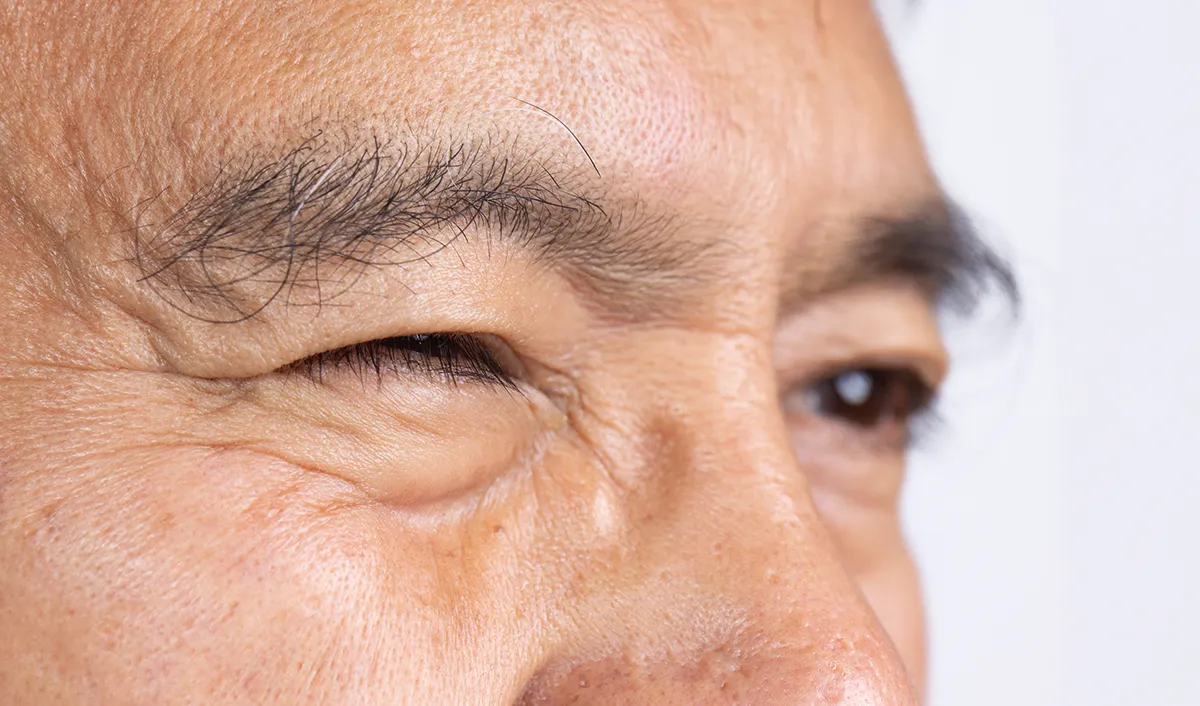
Have you ever had your eyelid start twitching unexpectedly while reading, working on the computer, or relaxing at the end of the day? Eye twitching can be irritating, distracting, and sometimes concerning, especially when it keeps happening.
Fortunately, most cases of eye twitching are harmless and temporary. However, persistent twitching or symptoms that occur alongside irritation or vision changes may mean you have an underlying issue.
In this blog, we share some common causes of eye twitching and signs that it’s time to schedule an eye exam.
What is eye twitching?
Eye twitching, also known as eyelid myokymia, is an involuntary spasm of the eyelid muscles. It most commonly affects the lower eyelid, but the upper eyelid can twitch as well.¹
For some people, twitching lasts only a few seconds. For others, it may come and go throughout the day for several days or weeks. While these spasms are usually mild and not dangerous, they can still be frustrating and disruptive.
In many cases, eye twitching develops because the muscles and nerves around the eyes have become overstimulated or irritated.
What causes eye twitching?
There isn’t always one single cause of eye twitching. Often, it’s connected to a combination of everyday habits and environmental factors.
- Fatigue and lack of sleep
- Too much caffeine
- Stress and anxiety
- Eye strain from an outdated prescription
- Digital eye strain
- Dry eye disease
- Medications
- Alcohol and dehydration
- Nutritional deficiencies
How to reduce eyelid twitching
Most mild cases of eye twitching improve with changes to your routine and eye care habits.
You may benefit from:
- Getting more consistent sleep
- Reducing caffeine intake
- Staying hydrated
- Taking regular screen breaks
- Managing stress levels
- Using lubricating eye drops if your eyes feel dry
- Updating your glasses or contact lens prescription
The 20-20-20 rule can also help reduce digital eye strain. Every 20 minutes, look at something 20 feet away for at least 20 seconds.
When should you see a doctor for eye twitching?
Although occasional twitching is usually harmless, certain symptoms should be professionally evaluated.
- The twitching doesn’t go away. If your eyelid continues twitching for several weeks despite lifestyle changes, it’s time to schedule an eye exam. Persistent twitching may be linked to dry eye, eye strain, or another underlying issue.
- The twitching spreads beyond the eyelid. If the twitching affects other areas of your face, such as your cheek or mouth, you should seek prompt medical evaluation.
- Your eye is closing completely. Occasional fluttering is common, but forceful blinking or eyelid closure is not typical and should be assessed by a doctor. You may have a more serious condition called blepharospasm.²
- Your eye looks red or swollen. Redness, swelling, discharge, or eye discomfort alongside twitching may indicate an underlying infection or inflammatory condition that should be evaluated.
- You experience vision changes. Blurred vision, double vision, drooping eyelids, or facial weakness alongside twitching should never be ignored. These symptoms may indicate a more serious issue that requires immediate attention.
Could dry eye be causing your eye twitching?
Many people don’t realize how often dry eye contributes to twitching and eye fatigue.³ Dry eye is especially common in people who spend long hours on digital devices, wear contact lenses, take certain medications, or spend time in dry indoor environments.
If your eyes frequently feel tired, irritated, watery, or gritty, dry eye may be part of the problem.
Today, dry eye treatment options may include lubricating eye drops, prescription therapies, in-office treatments, and personalized recommendations to improve tear quality and comfort.
Find relief from eyelid twitching
While eye twitching is often temporary, persistent symptoms shouldn’t be ignored. Whether your twitching is related to stress, dry eye, digital eye strain, or another underlying issue, a comprehensive eye exam can help identify the cause and determine the best course of treatment.
At Kristin L. Campbell, O.D. in Delaware, Ohio, we’re committed to helping patients protect their vision and feel more comfortable every day.
Schedule your appointment today to learn what may be causing your eye twitching and how we can help support your long-term eye health.
References:
- Myokymia. my.clevelandclinic.org
- What causes eye twitching? goodrx.com
- Eye twitching causes and treatment. aao.org