
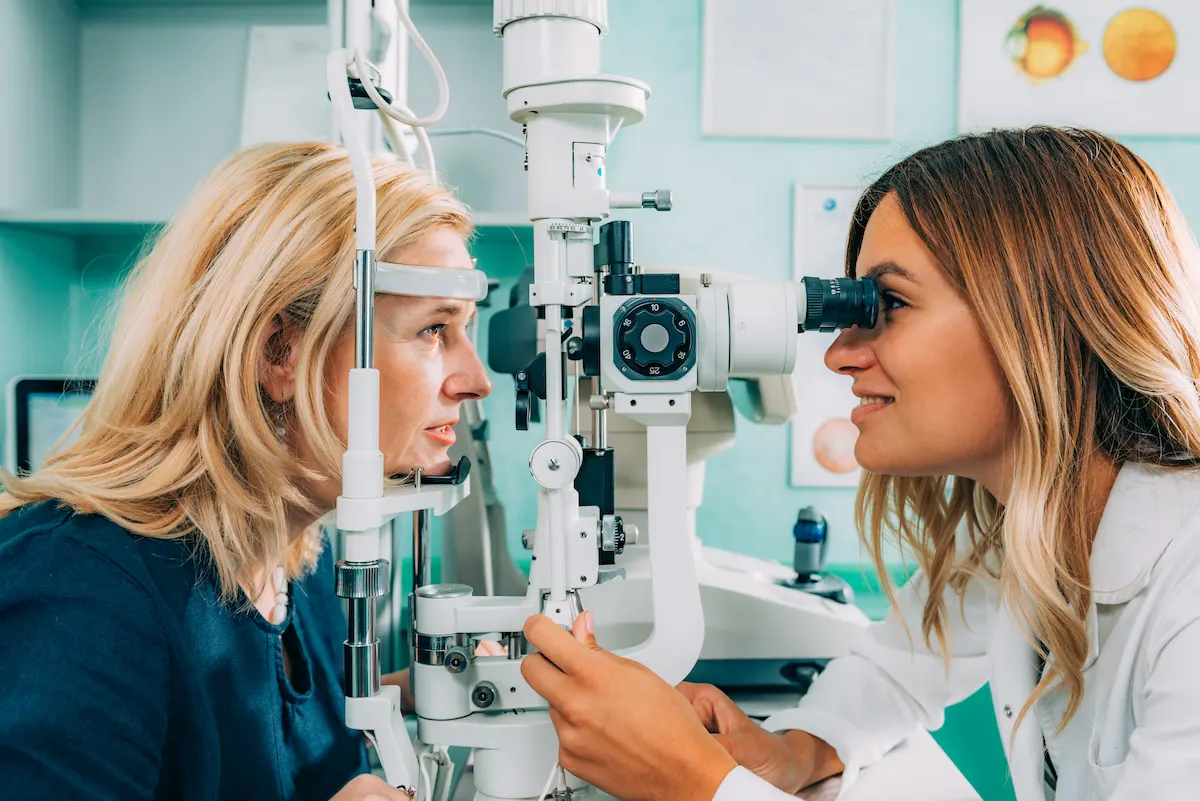
How often you should see an optometrist depends on your age, overall health, eye health history, and whether you’re noticing vision changes. For many adults, a comprehensive eye exam in Delaware, OH, every one to two years is a good baseline, but some patients need exams more often.
Dr. Kristin Campbell and Dr. Aimee Jeffers personalize exam recommendations instead of treating every patient the same. That matters because routine eye exams can detect prescription changes, eye disease, and even signs of health conditions before symptoms become obvious.
How often should adults schedule eye exams?
Adults with no symptoms or major risk factors may be advised to have an eye exam at least every two years through age 64, then annually at age 65 and older.¹ However, your optometrist may recommend yearly exams sooner if you wear contact lenses, have a strong prescription, spend long hours on screens, or have a personal or family history of eye disease.
You should also schedule sooner if you notice changes such as blurry vision, headaches, glare while driving, dry or watery eyes, or trouble focusing. These kinds of signs to see an eye doctor can mean your eyes need attention before your next routine visit.
How often should children see an optometrist?
Children’s eyes change quickly, and school vision screenings are not a replacement for a full eye exam. The American Optometric Association recommends an exam between 6 and 12 months, at least once between ages 3 and 5, before first grade, and annually after that.¹
A pediatric eye exam in Delaware, OH, can evaluate more than clarity of vision. Dr. Campbell and Dr. Jeffers can also check how well a child’s eyes work together, track, focus, and support learning, reading, and sports.
Who may need eye exams more often?
Some patients should see an optometrist annually or on a schedule recommended by their eye doctor. This may include people who have:
- Diabetes or high blood pressure
- A family history of glaucoma, macular degeneration, or retinal disease
- Previous eye surgery or injury
- Contact lens use
- Medications that may affect the eyes
- New or worsening vision symptoms
For patients with diabetes, a diabetic eye exam is especially important because diabetic retinopathy and related issues can develop without early symptoms. Optomap digital retinal imaging and other testing can help the doctors monitor the retina and look for early changes.
Does insurance affect how often you can go?
Insurance should not be the only factor in deciding when to see an optometrist, but it can help you plan. Vision plans often cover routine eye exams and eyewear, while medical insurance may apply when the visit involves diagnosing or managing an eye condition. The team can help patients understand vision and medical insurance for eye care without guessing about benefits.
Protect your vision with the right exam schedule
If you’re unsure whether you’re due, the safest answer is to ask. A routine eye exam can confirm whether your vision has changed, screen for eye disease, and give you a plan that fits your age, health, and daily life. Schedule an appointment to find the right eye exam schedule for you or your family.
References: