
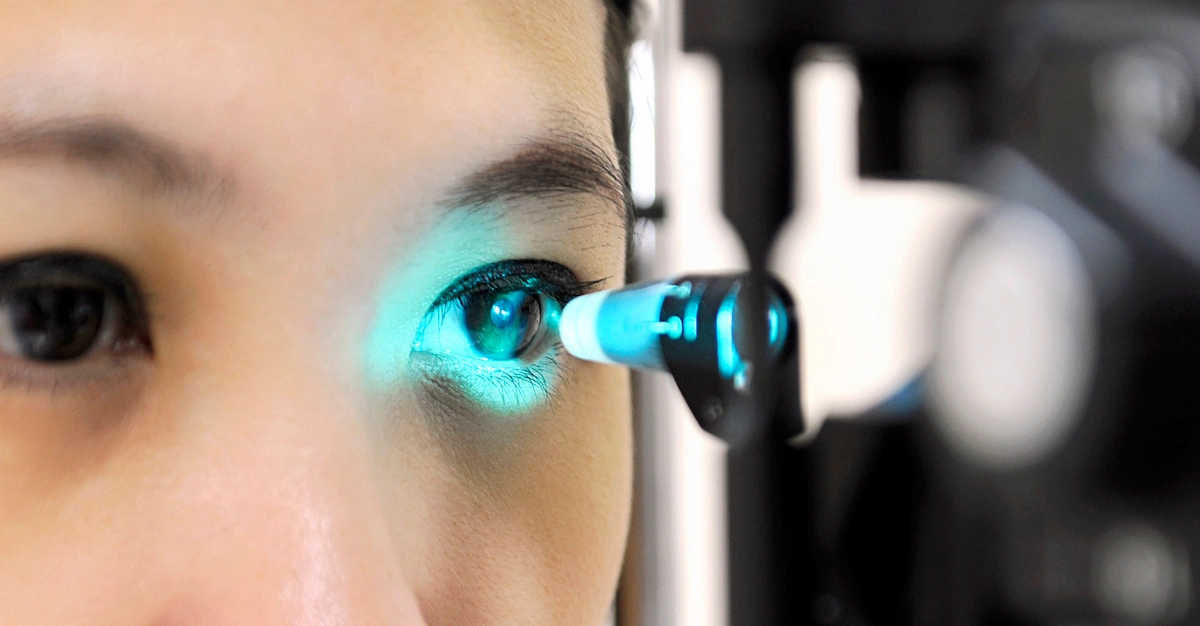
Glaucoma is often called a “silent” eye disease because it can damage the optic nerve before you notice a change in your vision. That is why glaucoma diagnosis and treatment should not wait until symptoms become disruptive. Early detection can help slow or stop further damage and protect the vision you have.
Dr. Kristin L. Campbell and Dr. Aimee Jeffers look for glaucoma during comprehensive eye care visits. They evaluate eye pressure, the optic nerve, peripheral vision, and detailed images of the retina to identify concerns that may not be visible to you yet.
Glaucoma may not cause symptoms at first
The most important sign of early glaucoma is often no sign at all. The most common form, open-angle glaucoma, usually progresses slowly and painlessly. It may begin affecting peripheral vision, but the brain can compensate for those gradual changes, making them easy to overlook.
This is why comprehensive eye exams matter even when your vision seems clear. Testing can identify changes in eye pressure, the optic nerve, or your visual field before glaucoma causes permanent vision loss.
Subtle changes in side vision deserve attention
As glaucoma progresses, people may slowly lose peripheral vision, or the ability to see objects to the side while looking straight ahead. You might notice it when:
- You have trouble seeing movement beside you
- You bump into furniture, doorframes, or objects more often
- Driving feels less comfortable, especially in unfamiliar areas
- Your field of vision seems narrower than it used to be
These changes do not always mean glaucoma, but they should be evaluated promptly. Vision lost from glaucoma cannot be restored, so waiting to see whether it improves can put your sight at risk.
Sudden symptoms can signal an eye emergency
While open-angle glaucoma develops gradually, angle-closure glaucoma can occur suddenly and requires immediate medical attention. Seek emergency care right away if you experience:
- Severe eye pain or headache
- Sudden blurred vision
- A red eye
- Halos around lights
- Nausea or vomiting with eye pain
These symptoms can indicate a rapid rise in eye pressure. Prompt treatment is essential to help prevent permanent vision damage.
Your risk factors matter, too
Glaucoma can affect anyone, but risk increases with age, a family history of glaucoma, high eye pressure, thin corneas, diabetes, or high blood pressure. If any of these apply to you, regular eye exams are particularly important — even if you have no symptoms.
Your optometrist can recommend an exam schedule based on your eye health, medical history, and risk factors. This proactive approach allows small changes to be monitored over time instead of discovered after vision has been affected.
Protect your vision before glaucoma progresses
Glaucoma does not always announce itself with an obvious warning sign. Regular eye exams give Dr. Campbell and Dr. Jeffers the opportunity to detect early changes, explain your risk, and create a plan for protecting your long-term vision. If you are due for care, have a family history of glaucoma, or notice changes in your side vision, schedule an eye exam today.