
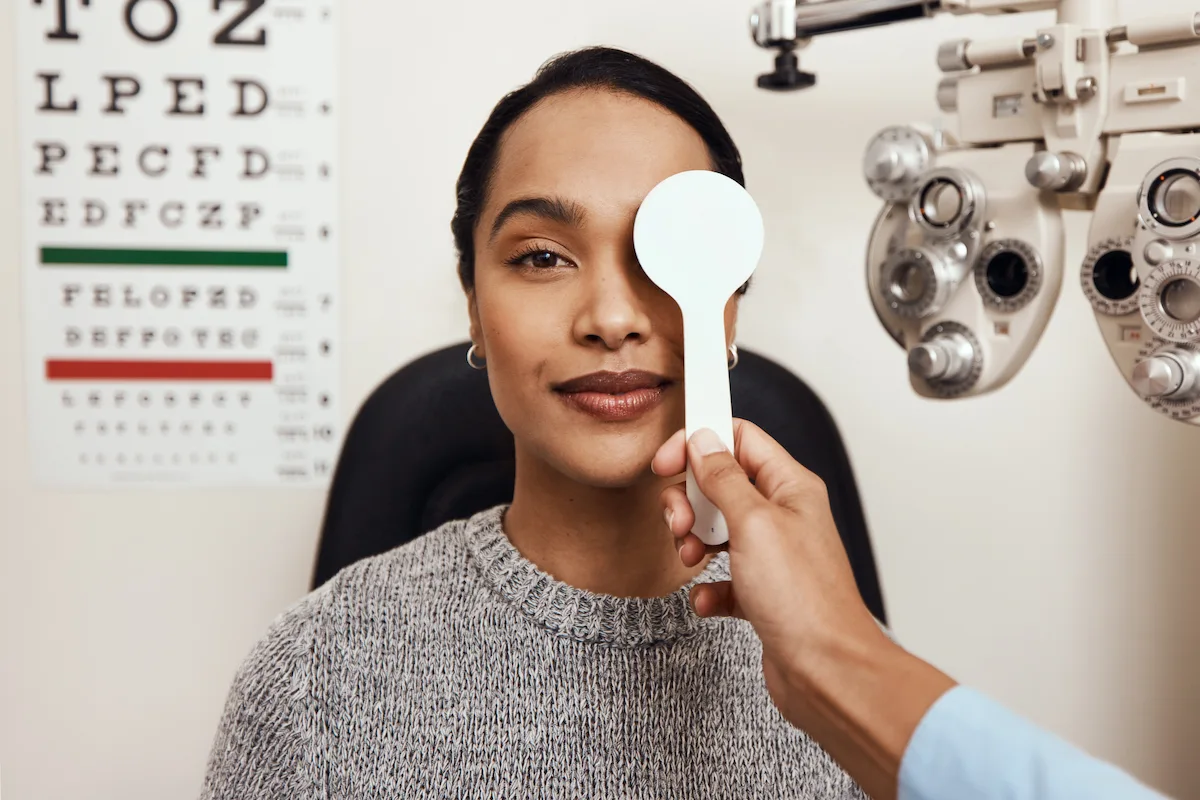
Preventative eye exams do more than update an eyeglass prescription. A comprehensive eye exam gives your optometrist a chance to evaluate vision, eye health, and signs of certain health conditions before they begin affecting daily life.
Dr. Kristin Campbell and Dr. Aimee Jeffers tailor care to each patient’s age, medical history, visual needs, and concerns. With tools such as Optomap retinal imaging, they can look beyond the eye chart and monitor parts of the eye that may show changes before symptoms are noticeable.
Why prevention matters even when your vision seems clear
Many eye conditions develop gradually and may not cause obvious symptoms at first. Glaucoma, diabetic retinopathy, macular degeneration, and retinal changes can affect eye health before a person realizes their vision has changed.
A preventative exam creates a baseline for your eyes, making it easier for your optometrist to identify changes over time. It can also help uncover health concerns that affect the eyes, including diabetes and high blood pressure.
Preventative exams are especially valuable because they can help patients:
- Catch prescription changes before they interfere with work, school, driving, or hobbies
- Identify eye disease early, when treatment options may be more effective
- Monitor changes connected to overall health, medications, or family history
- Receive guidance that fits their lifestyle and visual demands
What preventative eye care looks like for children
Children rely on vision for reading, classroom learning, sports, and social development. Because they may not recognize that their vision is different from other children, problems can be easy to miss.
A pediatric eye exam evaluates more than whether a child can see clearly at a distance. It can assess focusing, eye coordination, tracking, depth perception, and eye health. Early care can be particularly important for children with frequent headaches, squinting, difficulty reading, or a family history of eye conditions.
Preventative care changes throughout adulthood
Adults may need eye care for different reasons as their lives and health needs change. Screen use, contact lenses, demanding visual work, pregnancy, chronic health conditions, and natural age-related changes can all affect the eyes.
For adults without symptoms, the right schedule depends on age and individual risk factors. How often you should see an optometrist can vary based on your prescription, family history, overall health, and whether you have concerns that need closer monitoring.
Routine exams can support medical eye care
Preventative exams focus on maintaining vision and identifying concerns early. If an exam reveals a condition that needs diagnosis, treatment, or monitoring, the visit may involve medical eye care instead. Routine and medical eye exams can serve different purposes, but both play an important role in protecting long-term vision.
Protect your sight with proactive eye care
Eye health needs can change at every stage of life, even when vision feels stable. Regular preventative exams give Dr. Campbell and Dr. Jeffers the information needed to monitor your eyes, address changes early, and recommend care that fits your needs. Schedule an eye exam in Delaware, OH, to help protect your vision now and in the years ahead.